
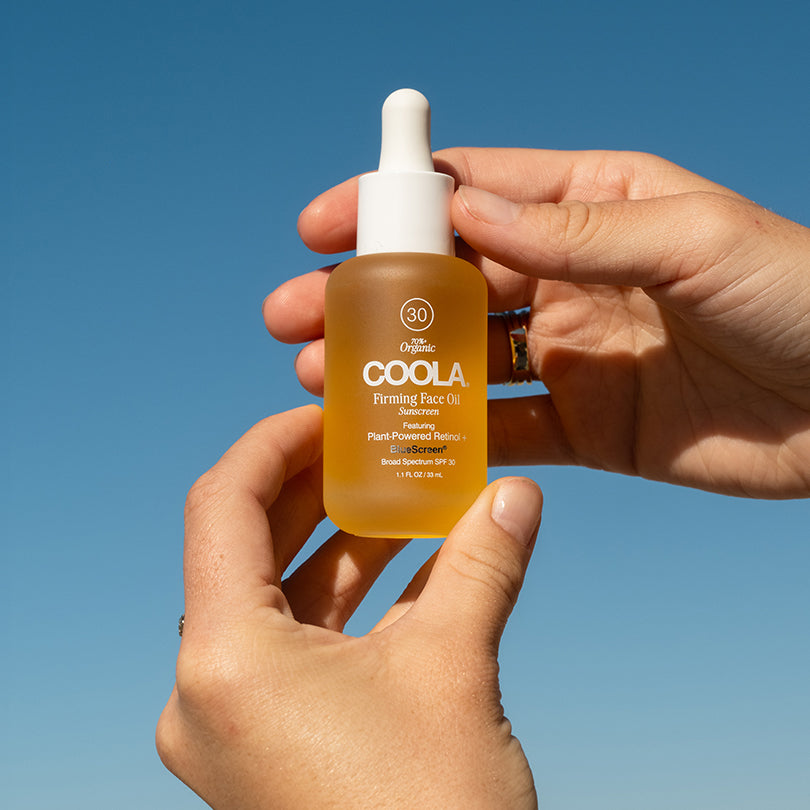
 It’s one of the most common questions in suncare, and it’s a good one: if SPF 30 is already protecting most of the UV that hits your skin, is SPF 50 actually doing anything meaningfully different?
The short answer is yes — but probably not in the way you’d expect. Here’s what the numbers actually mean.
What SPF Numbers Actually Tell You
SPF — Sun Protection Factor — measures how much UVB radiation a product filters out, relative to unprotected skin. The maths looks like this:
• SPF 30 filters approximately 97% of UVB rays.
• SPF 50 filters approximately 98% of UVB rays.
• SPF 100 filters approximately 99% of UVB rays.
So the difference between SPF 30 and SPF 50 is about 1% of UVB rays — which sounds underwhelming, until you remember that we’re talking about cumulative, daily UV exposure over years and decades. That 1% adds up. Dermatologists generally recommend SPF 50 for the face for this reason, particularly in New Zealand where our UV environment is more intense than countries at comparable latitudes.
New Zealand’s UV Is Not Like Everywhere Else’s
This is worth understanding. New Zealand sits at a latitude that puts it closer to the Antarctic ozone hole than most countries in the world. Our atmosphere filters less UV radiation than the atmosphere over, say, Europe or North America at the same distance from the equator. The result: on a clear summer day in Auckland or Christchurch, the UV index regularly hits 12 or above — classified as extreme, and among the highest readings on the planet.
That’s the context in which COOLA formulates for this market. And it’s the context in which choosing between SPF 30 and SPF 50 is worth taking seriously.

So Which Should You Use?
A sensible starting point:
• For your face, year-round: SPF 50 is the safer choice. The face is the most consistently exposed part of your body and the area where sun damage tends to be most visible over time. COOLA’s Classic Face Lotion SPF 50, Refreshing Water Cream SPF 50, and Classic Face Mist SPF 50 are all formulated specifically for daily facial use.
• For your body, day-to-day: SPF 30 is perfectly adequate for most everyday activity — a walk at lunch, the school run, time in the garden. COOLA’s Hydrating Sunscreen Lotion SPF 30 in Tropical Coconut is designed for exactly this.
• For active or extended outdoor time: Step up to SPF 50 regardless of where you’re applying it. Long days at the beach, sport, gardening in full sun, days on the slopes — SPF 50 and regular reapplication is the right call.
The Caveat That Matters Most
Here’s the thing no SPF number can fix: not applying enough, and not reapplying often enough.
Most people apply about 25–50% of the amount needed for a product to perform at its stated SPF. Which means your SPF 50 might be functioning closer to SPF 15 in practice. Two hours is the maximum window for any SPF — sooner if you’ve been swimming or sweating. So make to sure reapply!